Skip to content
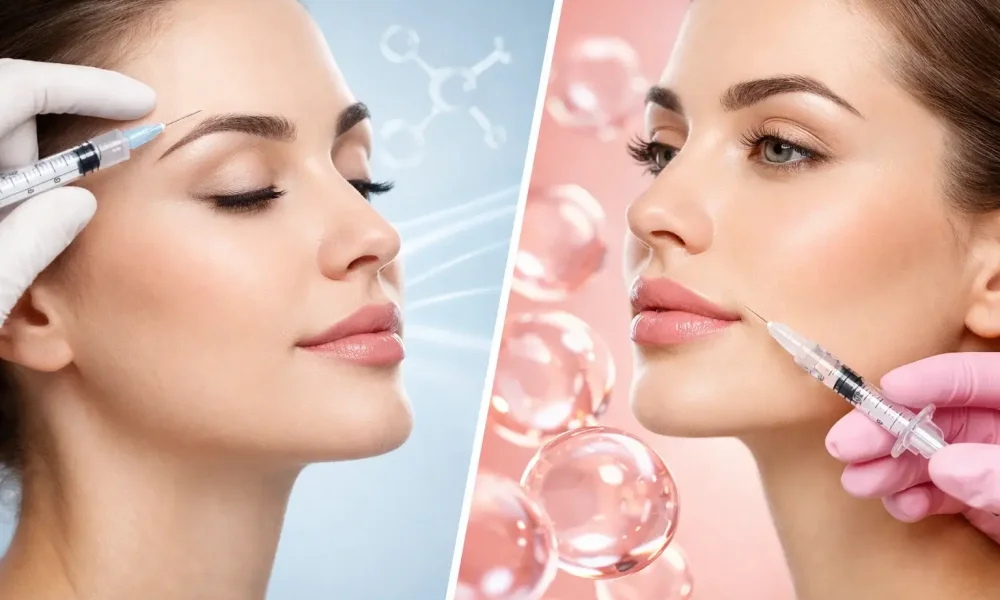
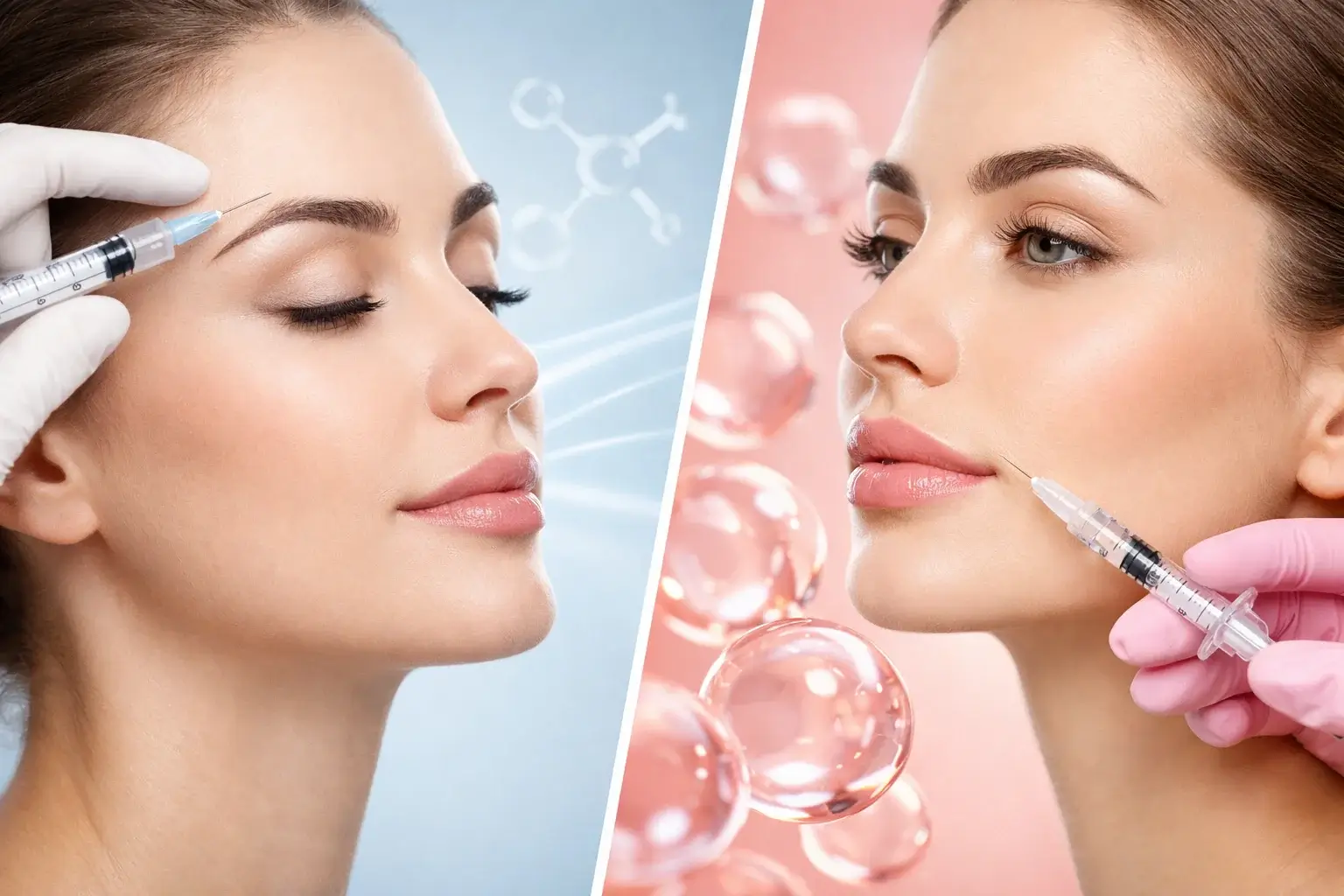
Modern aesthetic medicine offers more ways than ever to refresh the face without surgery. Among the most requested treatments are Botox and dermal fillers. While both fall under the category of anti-aging injections, they work in very different ways and serve distinct purposes. Understanding those differences is essential when deciding how to approach facial aging in a thoughtful, natural-looking way.
How Facial Aging Actually Happens
Expression lines form from repeated muscle movement. Volume loss occurs as collagen, elastin, and fat pads gradually diminish. Skin quality changes as hydration levels drop and cell turnover slows. These processes happen independently, which explains why no single injectable solution works for every concern.
Some patients notice fine lines that appear only when they smile or raise their eyebrows. Others see hollowness in the cheeks or deepening folds that remain visible even at rest. Recognizing which changes are driven by movement versus structure is the foundation of choosing the right injectable approach.
Botox Explained: Treating Wrinkles Caused by Muscle Movement
Botox works by temporarily relaxing targeted facial muscles. When those muscles soften, the skin above them smooths out. This makes Botox especially effective for dynamic wrinkles, which are lines created by repetitive expressions over time.
Using Botox for wrinkles is most effective in areas where facial muscles are highly active. The forehead, between the eyebrows, and around the eyes are common treatment zones. These areas respond well because the skin creases primarily due to muscle contraction rather than volume loss.
Dermal Fillers Explained: Restoring Lost Volume and Structure
Dermal fillers address a completely different aging process. As the face loses collagen and fat, certain areas can appear sunken or deflated. Fillers for volume loss restore shape and support by adding volume beneath the skin.
Using fillers to address volume loss is ideal for the cheeks, lips, jawline, and deep folds around the mouth. Fillers can also improve facial balance by enhancing contours that have softened over time.
Most fillers are made from hyaluronic acid, a substance naturally found in the skin that attracts moisture and supports elasticity. When placed correctly, fillers create subtle lift and smoothness without altering natural facial expressions. Depending on the product used and treatment area, results may last from six months to over a year.
Botox vs fillers for the forehead: Which Makes Sense?
The forehead is one of the most commonly treated areas. Yet it often confuses. Horizontal forehead lines usually form from repetitive eyebrow movement, making Botox the primary treatment of choice. Relaxing those muscles smooths the skin and prevents lines from deepening.
Fillers are rarely used directly on the forehead because of the area’s vascular anatomy. In select cases, experienced providers may use fillers to address volume loss near the temples or upper forehead, but this is highly individualized.
For most patients, Botox vs fillers for forehead is not a true competition. Botox typically provides the safest and most effective result for forehead lines caused by movement.
Why Many Patients Benefit From Combination Treatments
Facial aging is multi-dimensional. Treating only wrinkles or only volume loss may leave other concerns unaddressed. Combining Botox and fillers allows providers to address both muscle activity and structural changes simultaneously.
This approach often produces softer, more balanced results. Botox smooths expression lines, while fillers restore youthful contours. Together, they support long-term non-surgical facial rejuvenation without creating an overdone appearance.
Supporting Treatments That Enhance Injectable Results
Injectables work best when combined with treatments that support skin health from multiple angles. Medical aesthetics is no longer limited to injections alone. Skin quality, hydration, circulation, and cellular repair all influence how the face ages and how well treatments perform.
IV Hydration and Vitamin Therapy
IV hydration delivers vitamins, minerals, and fluids directly into the bloodstream. Proper hydration supports skin elasticity, circulation, and cellular repair. Patients who receive IV therapy often notice improved skin tone, reduced dullness, and faster recovery following aesthetic treatments.
Vitamin infusions can also support hair health, immune function, and overall energy levels, which indirectly contribute to a healthier appearance.
Microneedling
Microneedling stimulates collagen production by creating controlled micro-injuries in the skin. This process improves texture, reduces fine lines, and enhances skin firmness. When combined with injectables, microneedling helps strengthen the skin’s foundation, allowing Botox and fillers to look more natural and last longer.
Hydrafacial
Hydrafacial treatments cleanse, exfoliate, and hydrate the skin in a single session. By removing debris and infusing hydration, Hydrafacial treatments enhance glow and improve skin clarity. Healthy skin reflects light better, which complements the smoothing effects of injectables.
Non-Invasive Body Toning
Non-invasive body toning treatments support muscle definition and circulation without surgery. While focused on the body, these treatments align with a holistic approach to aesthetics that prioritizes overall wellness and confidence.
Mild Hyperbaric Oxygen Therapy
Mild hyperbaric oxygen therapy increases oxygen delivery to tissues, supporting healing and cellular regeneration. This therapy can improve skin health, reduce inflammation, and enhance recovery after aesthetic treatments.
Making the Right Choice for Your Face
Choosing between Botox and fillers starts with understanding your face, not following trends. Some patients need muscle relaxation to soften expression lines. Others need volume restoration to rebuild facial structure. Many benefit from both.
A skilled provider evaluates facial movement, skin quality, and volume distribution before recommending treatment. This ensures results that look natural and age-appropriate.
Glow Wellness Care, Botox® in East Northport, NY – Complete Anti-Aging & Wrinkle Treatment
Glow Wellness Care is a modern, state-of-the-art aesthetic clinic serving Long Island, NY. The clinic prioritizes personalized care across medical aesthetics, IV infusion therapies, and non-invasive wellness solutions. Every treatment plan begins with a consultation focused on understanding each client’s goals, concerns, and overall health.
Patients seeking Botox vs Fillers in East Northport, NY, benefit from Glow Wellness Care’s comprehensive approach to wellness and aesthetics, where medical expertise and personalized care come together.
Refresh Your Look -Schedule Now!
Frequently Asked Questions
What is the main difference between Botox and dermal fillers?
Botox relaxes targeted facial muscles to soften expression lines, while dermal fillers restore lost volume and improve facial contours.
How do I know if Botox or fillers are better for my concerns?
Lines caused by facial movement typically respond best to Botox, while areas that appear hollow or sunken usually benefit from fillers.
How long do Botox and filler results last?
Botox results generally last 3 to 4 months, while dermal fillers can last from 6 months to over a year, depending on the product used.
Can Botox and fillers be used together in one treatment plan?
Many patients achieve the most natural-looking results by combining Botox and fillers to address both wrinkles and volume loss.
Are Botox and filler treatments considered non-surgical?
Both Botox and dermal fillers are classified as non-surgical aesthetic treatments with minimal downtime when performed by trained medical providers.